The local housing mix changes how a repair is coordinated
Altamonte Springs has an estimated 22,821 housing units in the 2020–2024 Census figures, including 5,561 detached units and 2,448 attached single-family units. The remaining units belong to other structure categories. These figures help describe the city’s housing mix; they do not say that a particular customer has a private pool or that all other housing shares one.
Before an appointment, identify the person who knows the pool’s normal operation and the person who can authorize repairs. They may be different people. For a private house, that might simply be the owner; at a managed property, it may involve an operator and a manager. Provide access information without including gate codes in a public comment or photograph. A clear point of contact helps turn inspection findings into an agreed next step rather than leaving the technician unsure who is responsible for the decision.
Read Altamonte Springs pool-property counts with the right denominator
The parcel snapshot used for this guide marks 1,894 pool properties among 6,630 single-family-classified parcels in the Altamonte Springs jurisdiction overlay, approximately 28.6%. This classification-based figure differs from the Census count of housing units. It does not count every physical pool, include all condominium or apartment amenities, or prove that 28.6% of every kind of home has a pool.
For an individual estimate, explain whether your pool serves one household or a shared property. That distinction is more useful than extrapolating from the city’s pool-property share. A shared facility can need operator coordination and a plan for access or downtime. A private pool still needs equipment-specific diagnosis. Neither a parcel flag nor a neighborhood label tells us the pump’s horsepower, the water volume or whether a fresh interior finish has already been installed.
Established housing does not make every pool component original
The estimated 1983 median housing construction year places much of the housing history well before today’s variable-speed equipment. It cannot identify the equipment installed at your address. An older home may now have a recent pump, a different heater, updated plumbing or a pool that was constructed after the house.
Look for a pump invoice, controller record or previous resurfacing receipt before treating the system as one age. If only the motor was changed, say so; if the complete pump was replaced, that is useful too. A newer component can have a minor problem even when the surrounding property is older. Conversely, repeated shutdowns or repairs may justify comparing a broader change. We discuss the actual condition and compatibility of the parts, rather than make an expensive recommendation from a construction date.
Pool dimensions should come from your records or measurements
We have not established a surveyed average pool size for Altamonte Springs. Regional builder package examples include compact footprints of 12 by 24 feet through 15 by 30 feet, but those offerings are not a measurement of local installed pools. They also do not describe every common-area facility or pool with an integrated spa.
Send a plan or reliable gallon estimate if you have one. Length, width and depth are different pieces of information: a rectangular 15-by-30-foot pool at an assumed 4.5-foot average depth contains about 15,100 gallons, but a shelf, curve or different depth changes that illustration. For a finish quote, photographs of walls and steps matter in addition to the water’s footprint. For equipment work, the existing plumbing and connected equipment matter alongside volume. This is why two pools that look similar in a photograph can need different proposals.
Motor options are examples to match, not a city-wide standard
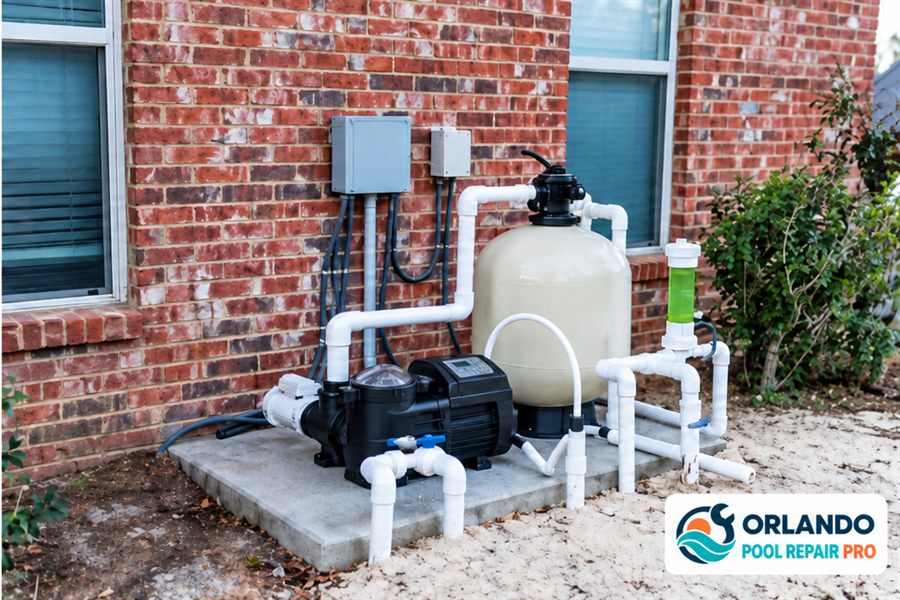
Pentair’s IntelliFlo3 residential range includes 1.5 and 3.0 total-horsepower options. Those are manufacturer product choices rather than evidence that a certain motor is installed at most Altamonte Springs homes. The appropriate repair or replacement starts with the equipment already present and the circulation needs of its system.
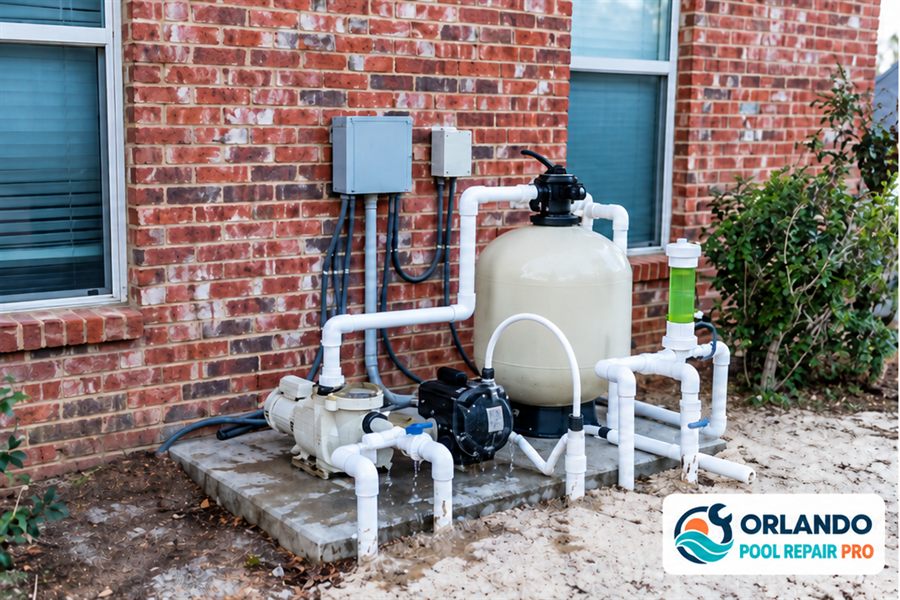
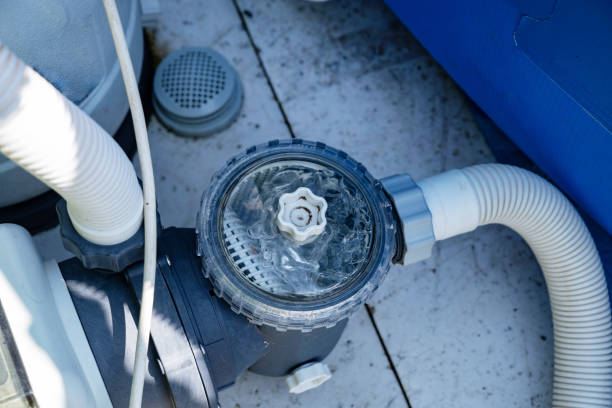
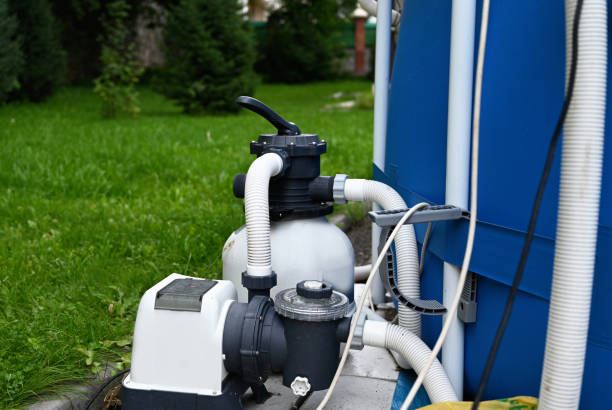
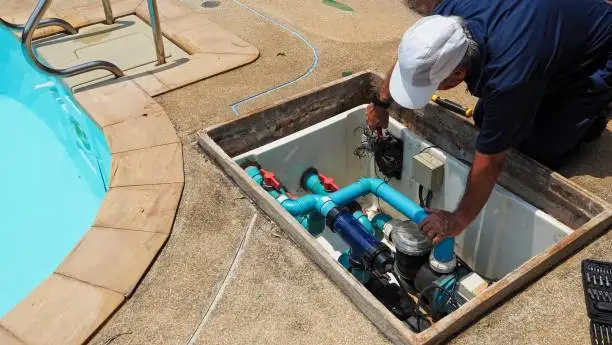
A clear nameplate photo and a picture of the connected filter and heater are more helpful than selecting a motor from a horsepower number alone. Tell us whether a timer or automation controller is involved and whether the fault follows a particular setting or schedule. Poor flow, visible leakage and repeated motor shutdowns should be described separately. We explain how a proposed component fits the complete installation, while a shared-pool operator remains part of any discussion about operation or changes to the equipment.
Resurfacing should solve a finish problem with a defined scope
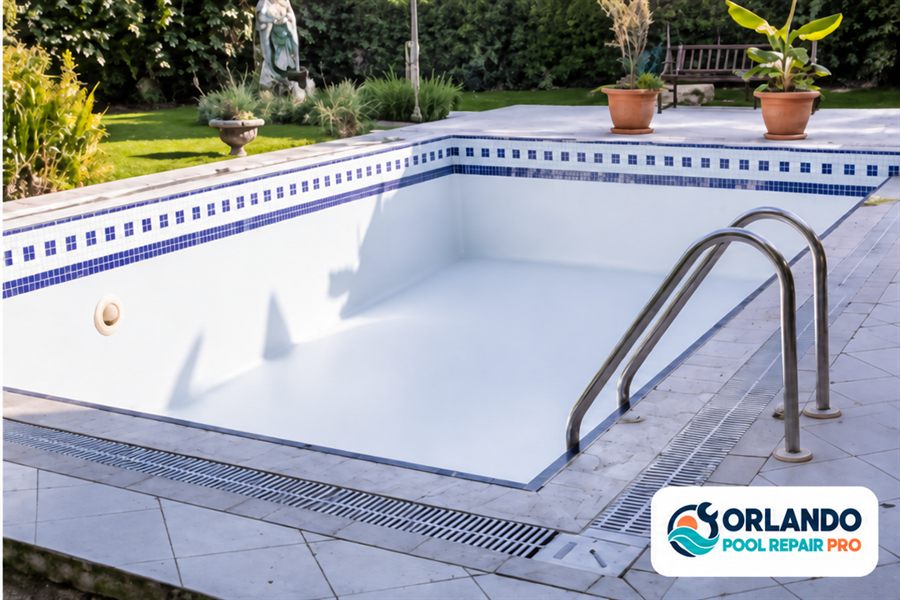
Material comparisons give planning lives of roughly 5–10 years for plain plaster, 7–15 for quartz and more than 20 for properly cared-for pebble finishes. They are not replacement deadlines tied to Altamonte Springs housing ages. The finish type, present wear and known installation history should guide the assessment.
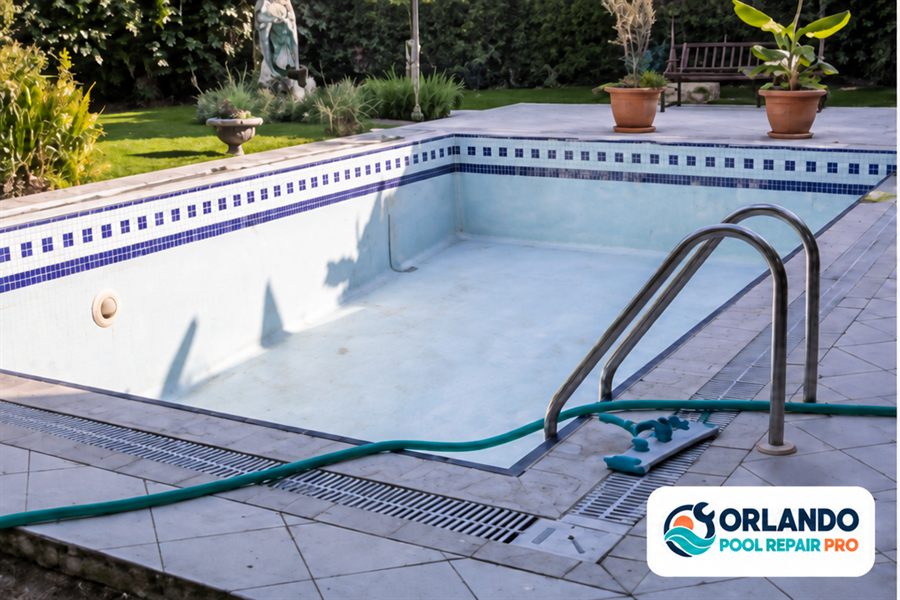
If a surface is rough, stained or worn, photograph the affected areas and describe how the condition has changed. Identify whether you are asking for the interior only or also want tile, coping or fitting work priced. Any recurring water loss belongs in the conversation before a new finish is presented as the answer. For a shared property, decide who will manage closure notices and startup responsibilities. The proposal should describe preparation and aftercare as clearly as the selected finish, so a lower initial figure is not mistaken for an identical scope.
Keep repair evidence when asking the city about water charges
City of Altamonte Springs utility customers can use the published adjustment-request form to ask about eligible leaks or pool fills. Keep the dated invoice, service address and relevant event information. The city applies its own account and documentation policy; submitting a form or hiring a pool company does not guarantee an adjustment.
Separate the dates of detection, repair and refilling in your notes. A diagnostic charge may identify the source of loss without including the subsequent repair, so keep both sets of findings where applicable. If automatic filling has hidden a falling water level, mention it when arranging leak detection. After the cause is corrected, retain the evidence of what changed. Those records can help with aftercare, future troubleshooting and a utility question without turning a billing application into a promise about the final result.
Why two local percentages should not be combined into a pool-ownership claim
Altamonte Springs’ 24.4% detached-housing share and its 28.6% pool-flag share do not describe the same denominator. The first concerns all Census housing units by structure type. The second concerns the single-family-classified parcels used in the retrieved municipal property-record count. It would be misleading to combine them into a claim about the percentage of all residents who own pools.
A shared amenity makes the distinction easier to understand. In a hypothetical apartment or condominium setting, several households might use one pool. Their individual housing units would not each represent a separate backyard pool, and the private-home parcel calculation would not describe their access arrangement. A common-area equipment fault also needs the responsible operator and the authorized property contact involved.
When requesting work, state whether the pool serves one household or a managed property before discussing the symptom. Identify who knows its normal daily operation, who can authorize an inspection and who decides on further repairs. For a homeowner, those roles may belong to one person; for a shared facility, they may not. The local figures help explain why that first question matters, while the equipment inspection establishes the appropriate repair scope.
If you are reporting an Altamonte Springs pool problem for someone else, send your contact details and the name of the person who approves repairs. Explain whether you can arrange entry or need a manager to do it. A tenant's report of falling water is useful, but approval for a new pump is a separate step. Take photos of labels that are easy to reach and write down the first symptom you noticed. Mention whether a recent repair helped briefly or changed the problem. For a shared facility, ask the operator to supply the service history. This gives the visit a clearer purpose and helps avoid a quote waiting on missing information. Nobody needs to open a powered control box or take apart equipment just to request help.
Sources for local pool planning