An established housing stock does not imply original pool equipment
The 2020–2024 ACS estimates Belle Isle’s median housing construction year at 1977, with a margin of error of about four years. That describes the age distribution of housing, not a date for every private pool. The estimate also includes homes from more recent decades, including 182 housing units in the 2010s category. An established house may have had a pool added later, a full renovation, several motor changes or only one targeted repair. We do not assign equipment age or a finish deadline from the citywide median.
For a Belle Isle owner, the useful next step is to separate the histories of the house, shell, surface and equipment. A new motor fitted to an older pump housing is not the same as a complete new pump. A freshly painted or resurfaced interior may not mean the plumbing was changed. Gather dated invoices when available and photograph the labels that identify the current parts. If the records stop at a previous owner, say so. A diagnosis should acknowledge the missing history and inspect present condition rather than treat an unsupported assumption as a reason to replace everything.
Private ownership changes the service conversation, not the diagnosis
About 85.1% of Belle Isle housing units were estimated to be detached, and 90.9% of occupied homes were owner-occupied in the ACS data supplied for this guide. Those figures are relevant to how a repair might be authorized, but they do not themselves measure private-pool ownership. County parcel indicators provide a different lens: their denominator is a set of classified properties, not the Census count of housing units or occupied households. Keep those categories separate when comparing the local figures and deciding what they can tell you about an individual pool.
When you manage your own backyard system, you may know whether a fault is new, seasonal or recurring after previous work. Describe that history without needing to diagnose the cause yourself. If a renter, family member or property manager is arranging access, identify who can approve the repair before changing installed equipment. Shared or commercial pools need the responsible operator involved even in a city with a high owner-occupied share. The service plan follows the actual pool and decision maker, not a statistical profile that may not describe the property at all.
Look for a focused cause before condemning the whole circulation system
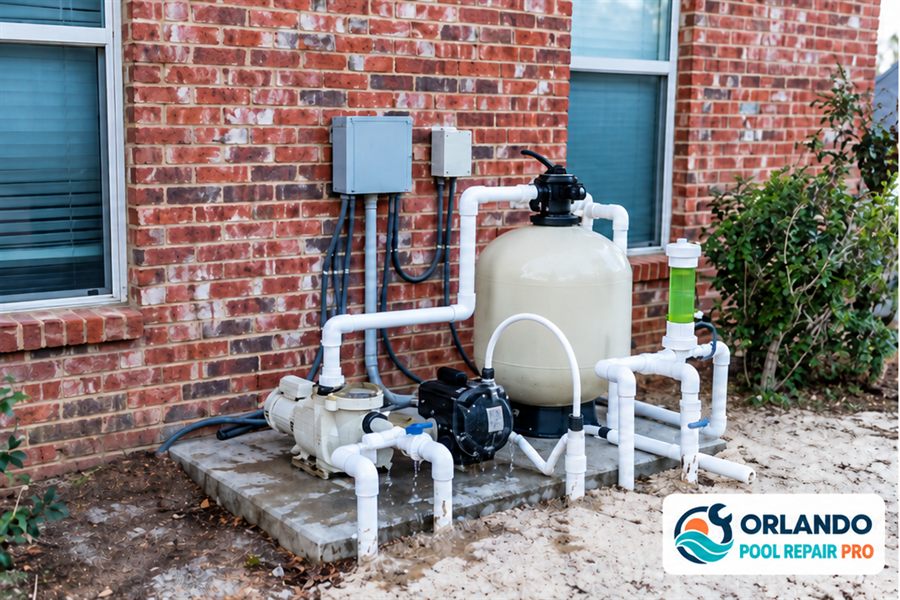
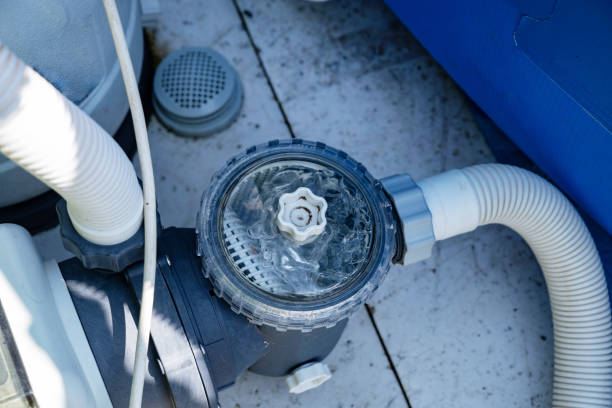
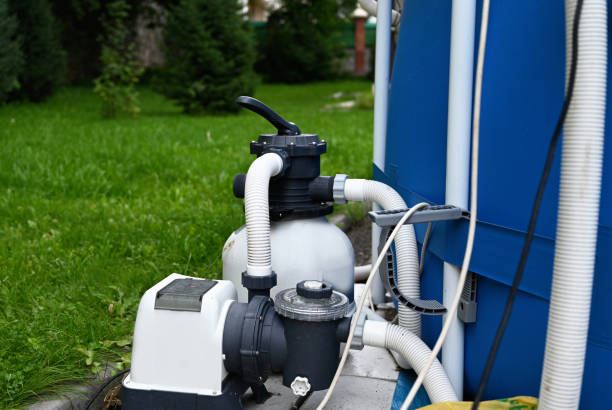
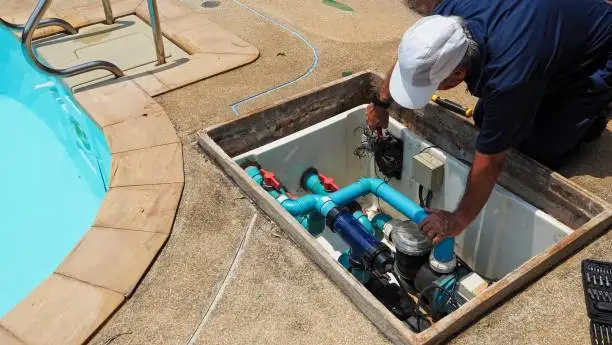
Older properties can have replacement parts and equipment from different periods working together. On a Belle Isle pump request, we compare the pump housing, motor, controls and connected filter or heater rather than assume they form one untouched original package. A worn mechanical seal, damaged lid O-ring, leaking union or blocked impeller can create different symptoms. Bearing noise and poor circulation also deserve separate consideration. Explain whether the pump starts, holds prime and moves water normally, and note any visible leak without removing covers or loosening components.
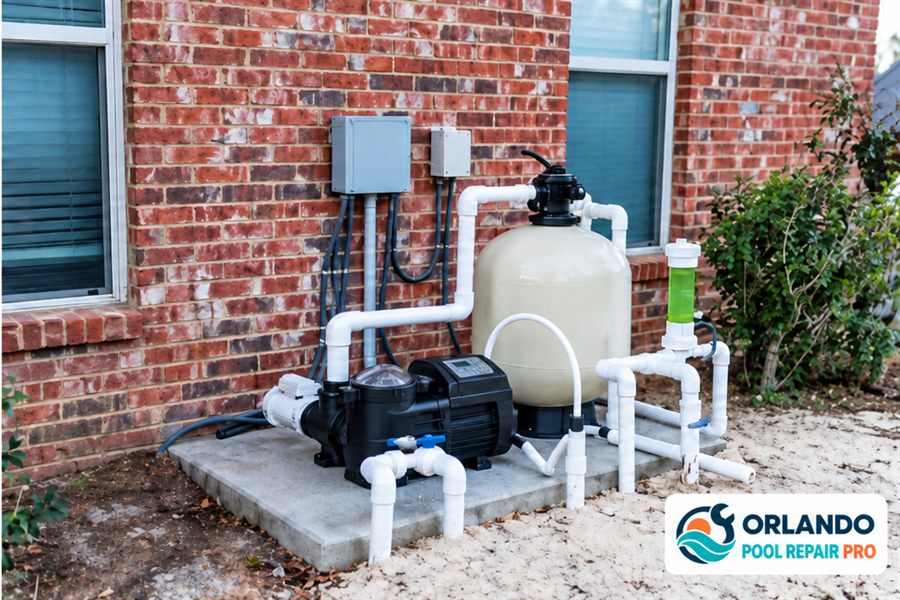
A replacement recommendation needs more than a horsepower comparison. Plumbing size, required flow, filter capacity, heater requirements and system resistance affect the appropriate choice. Residential product lines now include variable-speed equipment with different total-horsepower options, but those options do not establish what is common in Belle Isle or what your pool requires. If a new motor is proposed, its electrical and mechanical match needs checking as well. We explain the failed component and the reason for the suggested scope so a smaller repair and a larger equipment change can be compared on their actual merits.
Use realistic dimension examples without inventing a Belle Isle average
The research used here does not establish an average Belle Isle pool size. A house footprint, lot size or waterfront setting does not determine the dimensions behind the screen or fence. Regional builder packages can supply examples for a first conversation: Southern Pool Designs in Sanford advertises ranges including 12 by 24 to 15 by 30 feet and 15 by 30 to 18 by 35 feet. Those are examples of offered designs, not a survey of Belle Isle installations or evidence that a particular size dominates local homes.
Even a simple measurement needs context. A rectangular 12-by-24-foot pool with an assumed average depth of 4.5 feet calculates to approximately 9,700 gallons; a 15-by-30-foot pool at the same assumed depth calculates to about 15,100. A deep end, curved wall, spa or shallow shelf changes the result. For a finish estimate, walls and steps contribute interior area beyond the surface of the water. Share reliable plans or approximate dimensions if you have them, then let the assessment verify the measurements relevant to the work rather than treating one illustrative calculation as a specification.
A mature property benefits from a documented finish history
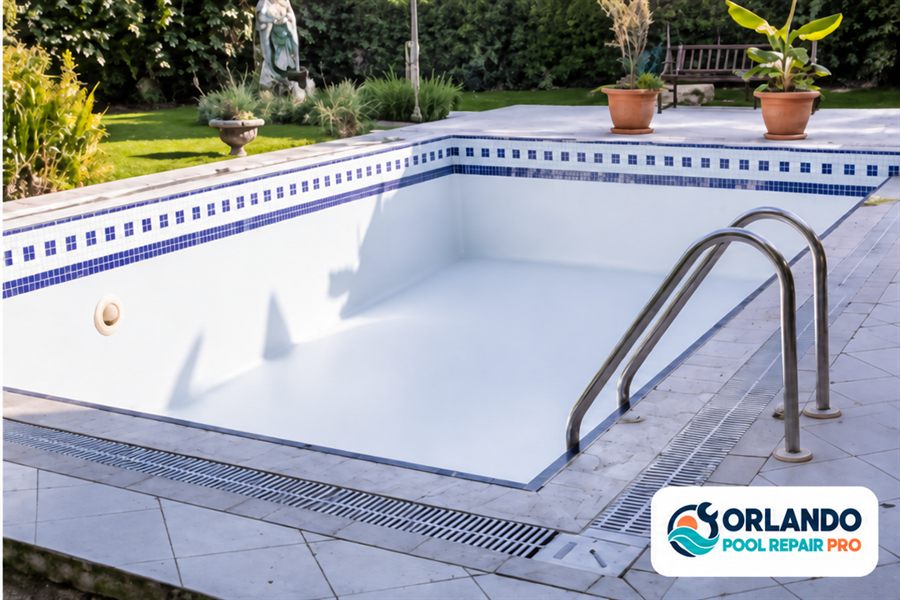
A Belle Isle pool may have been resurfaced more than once, but neither the housing median nor a good-looking real-estate photograph confirms that history. Identify whether the current material is plaster, quartz, pebble, tile or a coating and ask for the last application date if known. PebbleTec’s comparison places plain plaster at roughly 5–10 years and quartz at 7–15, while well-installed and maintained pebble can exceed 20. Those are planning comparisons, not fixed failure dates, warranties or a substitute for inspecting the actual surface.
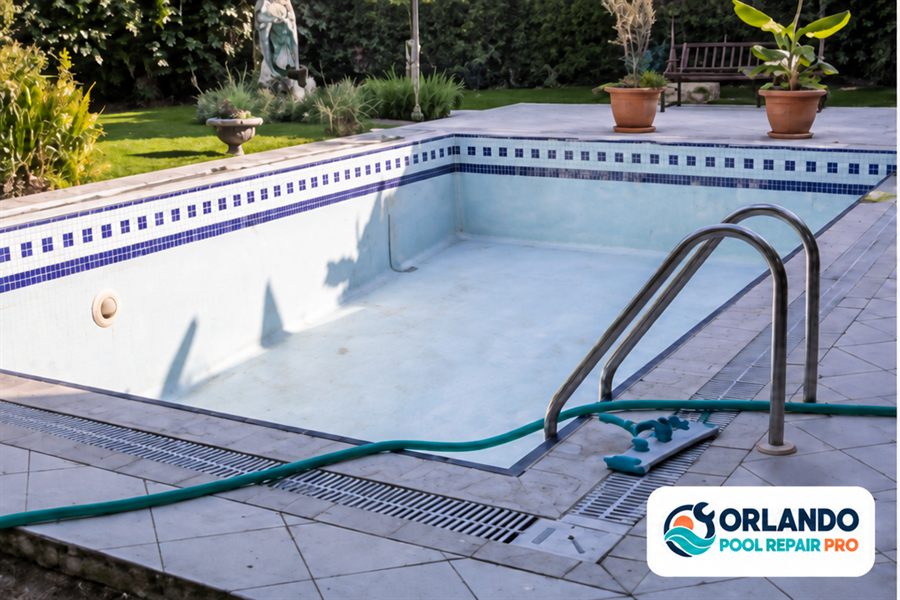
Loose finish, a rough step, staining and repeated water loss should be listed as separate concerns. Cosmetic improvement does not automatically resolve leakage, and covering an unresolved structural or fitting problem can leave the original cause in place. Send wide views of the interior and close photographs of worn areas while the pool remains safely in its normal condition. Discuss preparation, any tile or coping work and the filling plan in the proposal. Startup brushing and water-balance responsibilities should be clear before work begins so the new surface receives appropriate care from the first refill.
Confirm Belle Isle’s submission route and plan safe access
Belle Isle’s permitting and inspection services are provided through its contracted UES service. The provider’s city-specific portal describes the submission route and asks for a description of the work and relevant supporting information. That makes the actual proposal important: a small parts repair is not automatically the same scope as a larger plumbing, electrical or equipment alteration. Confirm the current route for work needing review and do not mistake a service quote for an approved plan. Keep any existing records and later revisions together so the work being discussed remains clear.
Before the visit, identify how the technician reaches the equipment, who will authorize the scope and whether someone else controls entry. Photographs should show accessible labels and the overall connections rather than require opening an electrical enclosure or pressurized filter. If water loss is the complaint, record top-ups and use a rain-free bucket comparison to help separate evaporation from excess loss. Do not drain a pool to make inspection easier. These simple preparations support a useful assessment while preserving the distinction between diagnosing the problem, agreeing on the repair and planning a larger project with any applicable review.
For an established Belle Isle property, it helps to keep a simple list of pool upgrades. Write down the date and name of each item replaced, such as the motor, pump body, heater or interior finish. A receipt for a motor does not show that the plumbing or whole pump was renewed. Keep those distinctions when asking for another repair. If several problems appeared at different times, describe them in that order rather than treating them as one fault. Note which functions still work. Before accepting a larger quote, ask which existing parts will stay and which will change. The answer should also explain any separate plumbing or electrical work, how the area will be accessed and who handles care after the job.
Sources for local pool planning