Commercial & Residential Pool Resurfacing in Orlando, FL
We plan pool resurfacing for Orlando homes, hotels, apartments and community pools. The existing shell, finish condition and water-care routine help determine whether plaster, quartz, pebble or another compatible surface is a practical choice. Commercial projects also need a closure plan and review of the pool’s finish and operating requirements.
For a home pool, compare finish feel, appearance, upkeep and budget before choosing the surface. Preparation should address loose material and underlying defects rather than cover them over. The quote should identify draining, filling and startup responsibilities, plus any tile, coping or fitting work.
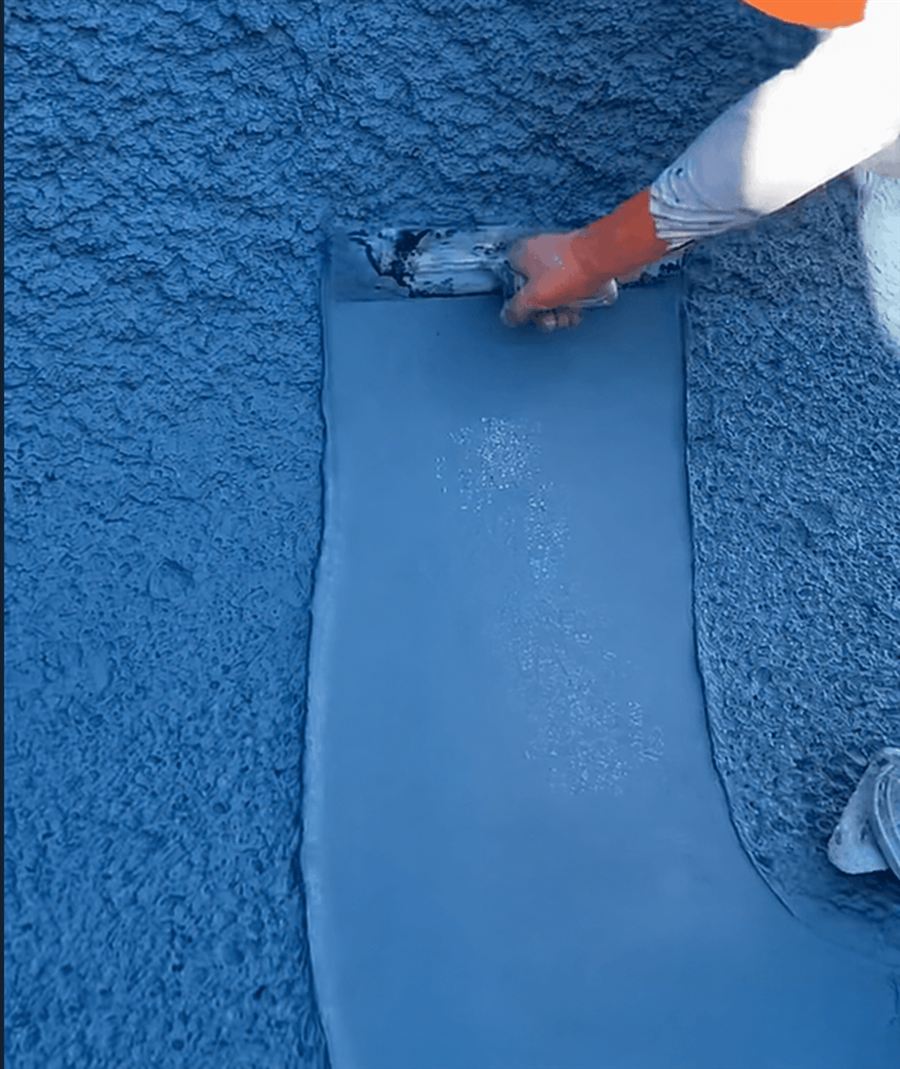
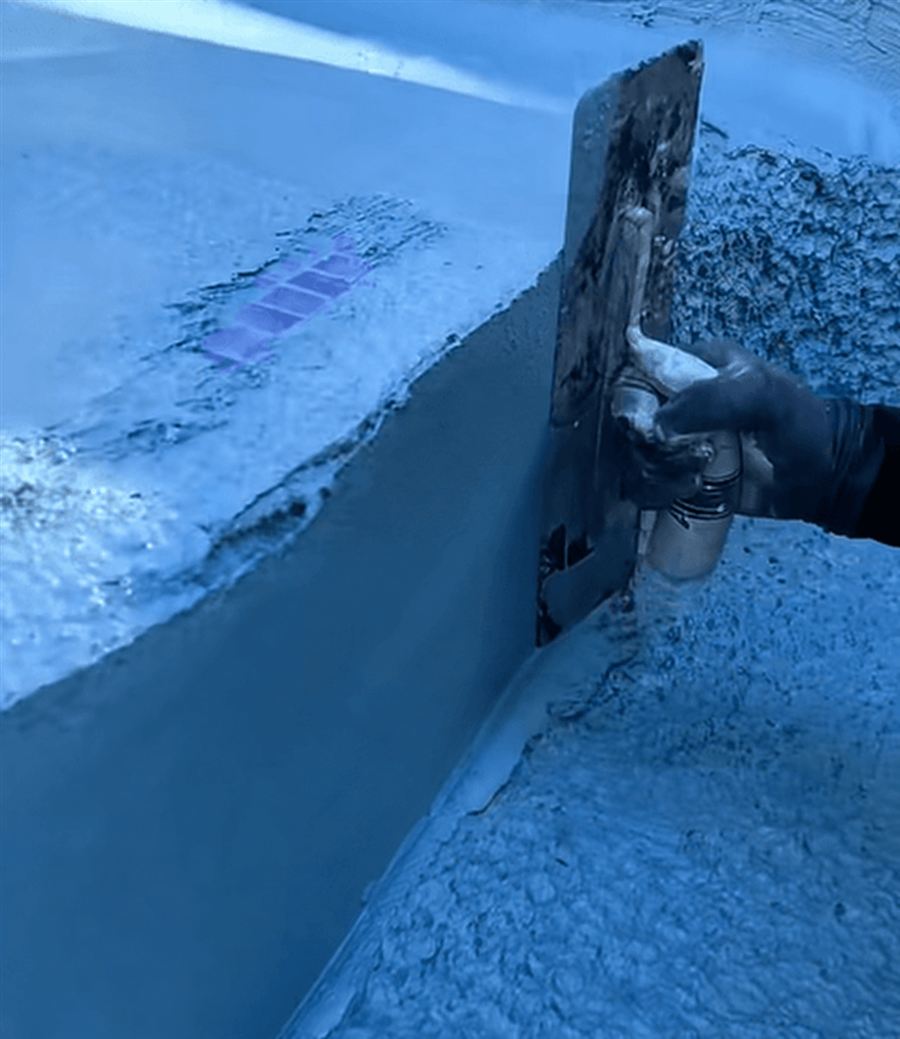
Pool surface preparation and application
Applying a pool finish to a prepared interior.Careful finishing around steps and changes in level.
Pool resurfacing materials and expected lifespan
These are planning estimates, not promised replacement dates or warranty periods. Water balance, installation quality, use and maintenance can shorten or extend a finish’s life. We assess compatibility with the existing shell before recommending a system.
Standard plaster / marcite — about 5–15 years
Cement and marble or limestone aggregate create the familiar smooth white or tinted interior. Plaster is usually one of the more affordable cement-based options. Its finish needs balanced water and regular brushing because staining and etching can develop when care slips.
Quartz plaster — roughly 10–15 years
Quartz aggregate blended into a cement-based finish offers color choices and generally better wear resistance than basic plaster. The texture is often finer than a pebble finish, but sample panels are the best way to compare the feel. Diamond Brite is a quartz aggregate finish, rather than a natural-pebble finish.
Pebble / aggregate — roughly 15–25 years with good care
Natural stone aggregate in a cement binder creates a textured finish, with smaller-pebble and polished options available. PebbleTec is one example. Good water chemistry and installation remain essential; a durable finish does not make the pool maintenance-free.
Glass or porcelain tile — potentially decades
Full-interior tile offers a premium appearance; waterline tile alone is a smaller, separate scope. Pool-rated tile needs a compatible setting, grout and waterproofing system. Tiles may last a long time while grout, joints or individual areas still need maintenance and repair.
Fiberglass / gel coat — roughly 10–20 years, system dependent
A suitable resin and fiberglass or gel-coat system can create a smooth surface with low porosity. A factory fiberglass shell and a field-applied recoat are different jobs, so their lifespans should not be assumed identical. Substrate condition, preparation and the selected system determine suitability and expected service life.
Pool paint: acrylic or epoxy — shorter service cycles
Paint can have a lower initial cost but needs a sound, properly prepared and compatible surface. Product life varies: Ramuc lists up to 2 years for its acrylic coating, up to 4 years for standard epoxy and up to 8 years for certain high-build epoxies. Painting does not repair a structural crack or an underlying leak.
Pool resurfacing costs by material in Orlando, FL
Compare these material options as a planning guide for a standard residential pool. Per-square-foot estimates refer to the interior surface being finished, including walls, not just the water’s footprint. Pool size, preparation and repairs change the total; the two estimate columns are separate budget guides, not a formula for every pool. Commercial work is quoted to its actual size and requirements.
Pool resurfacing material planning estimates in Orlando, Florida
Material
Per sq. ft.
Estimated total
Pool Paint (Epoxy / Acrylic)
$0.95–$4.75
$1,400–$4,300
Standard Plaster (Marcite)
$3.80–$7.60
$4,800–$9,500
Quartz Plaster
$5.70–$9.50
$6,700–$14,300
Pebble / Aggregate
$7.60–$14.25+
$8,600–$19,000+
Fiberglass / Gel-Coat Recoat
$5.70–$14.25
$5,700–$14,300
Full Glass or Porcelain Tile
$23.75–$33.25+
$23,800–$47,500+
Planning estimates only; total ranges are rounded to the nearest $100. Tile, coping, structural repairs and other separate work depend on the written scope.
What standard plaster resurfacing includes
The scope should identify how loose or unsuitable material is removed, how the existing shell is prepared and which finish will be applied. Standard white plaster gives the interior a smooth, fresh appearance. Tile, coping, plumbing repairs and structural crack work should be identified separately rather than assumed to be included.
A rough finish and a structural crack need different answers
Worn or stained plaster may be a finish problem. Movement, hollow areas or recurring water loss can point to something that needs investigation first. A new coat of plaster should not be presented as a guaranteed cure for every leak or structural crack.
Florida rain and groundwater affect draining
An empty in-ground pool can be vulnerable when groundwater is high. Rainfall, local ground conditions and the pool’s construction need assessment before draining. Do not empty a pool yourself to prepare for an estimate; the draining and refill plan belongs in the agreed work scope.
Six days of work, followed by startup care
The owner-supplied standard-plaster example cost $6,900 and took 6 days of project work. It then had a 28-day water startup and curing-care period. Weather, surface repairs, access and finish choice can change another project’s schedule, so this example is not a guaranteed turnaround.
What the 28-day period actually means
Fresh plaster continues to hydrate under water. The startup plan covers filling, brushing, circulation and close water-balance checks, with finish-specific limits on equipment or chemical use. Twenty-eight days is not automatically a ban on swimming: use depends on filling, balanced and sanitized water, and the installer’s or finish manufacturer’s directions.
Resurfacing a hotel or community pool
Plan the pool closure, resident or guest notices and startup period before the job. Florida public-pool resurfacing guidance also addresses finish color, steps and depth markings, ladders, fittings, bonding and drain-cover documentation. Confirm the actual review and inspection requirements for the scope with the county health department and building authority; do not assume every small repair has the same process.
Compare quotes by preparation and finish
Our general residential resurfacing budget is $5,200–$12,000 for common scopes. The material comparison above also shows lower-cost coating options and premium finishes that can fall outside that range. Compare the exact finish, surface area, preparation, filling and startup care, along with any separate tile, coping, plumbing or structural work.
Commercial & Residential Pool Resurfacing FAQs
Is resurfacing the same as fixing a pool leak?
No. A worn finish and a leak can have different causes. Test unexplained water loss before assuming resurfacing will solve it.
Must I wait 28 days to swim?
Not automatically. The finish instructions, water condition and installer’s clearance determine use; the 28-day period describes ongoing startup care.
Will the pool stay empty for six days?
The supplied example had six days of project work, but another pool’s draining and filling schedule depends on its scope, weather and finish.
Does standard plaster include new tile?
Only when the written scope includes it. Compare tile, coping, fitting work and structural repairs separately.