Casselberry's housing mix calls for property-specific planning
The Census estimates identify 14,098 housing units in Casselberry, with about 48.2% detached single-family units and 10% attached single-unit homes. About 59.5% of occupied housing units are owner occupied. These figures describe a mixed housing setting rather than an area made up entirely of private detached homes. For a service request, identify who owns the pool equipment and whether it is used by one household or a shared property.
The estimated median structure year is 1983, but that does not establish the age of any particular pool. Ask what was added or renovated after the house was built. A motor invoice, heater label and resurfacing record can show very different stages of maintenance within the same system. If those records are unavailable, clear photos and an inspection are more useful than replacing components simply because the house is older.
The recorded pool share uses a specific parcel group
A county-sourced parcel snapshot retrieved on October 24, 2026 identified 1,256 Pool=Yes records among 7,021 unique parcels classified in the DOR01 single-family category within Casselberry's jurisdiction overlay. That is about 17.9% of that defined group. It is a record-based view of pool presence among those parcels, rather than a claim about how many of all Casselberry homes, apartments or businesses have pools.
The distinction matters because Census housing units and property parcels are not the same counting unit. The figures should not be used to estimate the size, age or condition of your pool. Tell us what the equipment actually serves, including a spa or water feature if connected. For a shared facility, include the responsible operator, so the proposal accounts for its use and operating needs rather than treating it as an ordinary backyard pool.
Start with a measured pool, not a standard Casselberry size
No surveyed average pool size for Casselberry has been established in this guide. A finish quote and pump discussion should therefore start with the actual pool dimensions and shape. Central Florida builder Southern Pool Designs publishes package examples including 12 by 24 feet and 15 by 30 feet, with larger options as well. Those examples help illustrate different scales but do not describe a measured local average.
A rectangular 12-by-24-foot pool with an assumed average depth of 4.5 feet calculates to approximately 9,700 gallons. At that same depth, a 15-by-30-foot rectangle is roughly 15,100 gallons. Steps, shelves, varying depths and attached spas change the result. The finished interior area is a separate consideration because it includes walls and other surfaces. Ask how the estimate accounts for those features and the condition of the material being prepared.
A small repair should still have a clear diagnosis
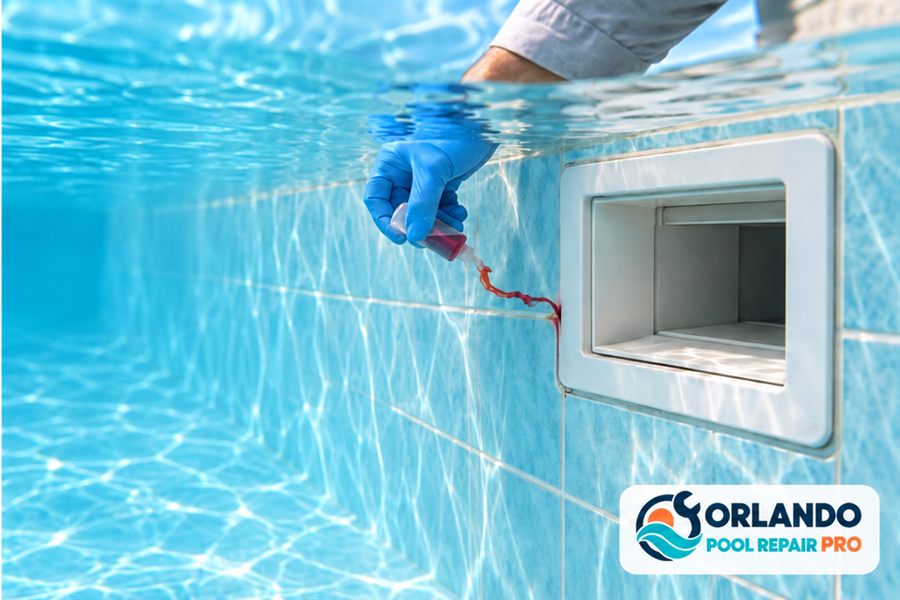
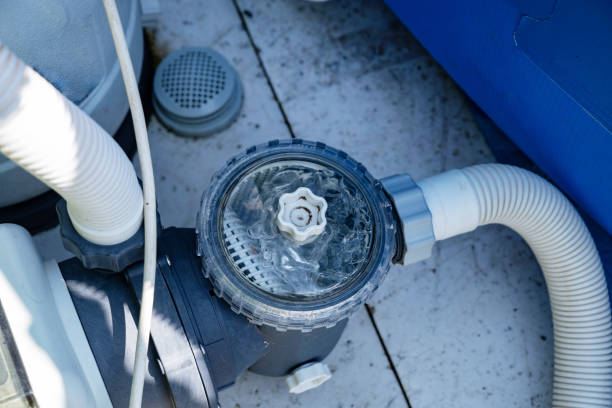
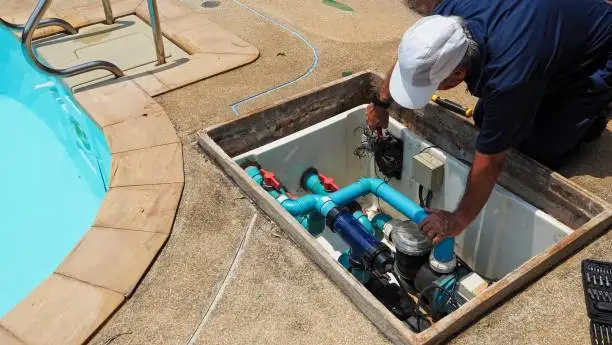
A flattened lid O-ring, worn shaft seal and leaking plumbing union are different repair locations. Identify where water first appears and whether the leak changes when circulation stops. Air on the suction side can also cause loss of prime without leaving a large puddle. A useful inspection considers those signs alongside the basket, impeller and filter rather than assuming the presence of water means a complete pump replacement.
Our published planning range for miscellaneous seals, gaskets and similar small repairs is $150 to $500, with the actual scope and parts determining the quote. It is not a price for every motor, filter housing or buried-pipe repair. If a larger component has failed, the comparison should explain why replacing it is more sensible than a smaller repair. Owners can then compare the cost against the condition of the equipment that would remain.
Match motor options to the existing circulation system
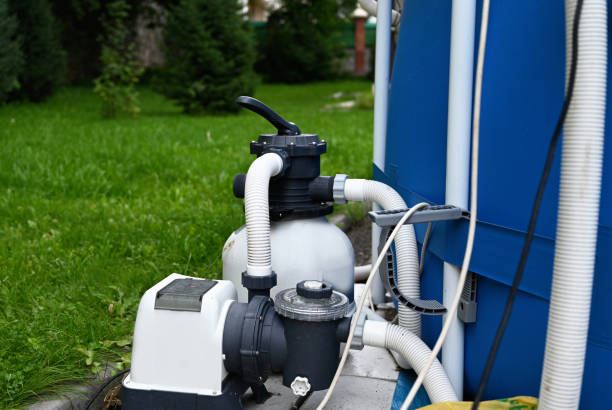
Manufacturer options include residential Pentair IntelliFlo3 pumps rated at 1.5 and 3.0 total horsepower. These examples do not identify a typical Casselberry-installed motor or establish that every pool needs either size. A suitable choice depends on performance at the required flow and system resistance, along with the connected filter, heater, plumbing and controls. More horsepower is not automatically a better repair.
When requesting service, note whether the motor will not start, becomes noisy, loses prime or displays a drive fault. Include any readily visible speed information and describe recent work on the system. Do not open electrical or pressurized components to obtain more detail. For shared pools, coordinate diagnosis and operating changes with the responsible person. A residential schedule should not be assumed suitable for a facility with different circulation and treatment requirements.
Resurfacing is tied to the finish's own service history
The most useful resurfacing date is the last interior installation, not the house's construction year. Ask which material was applied, how it has been cared for and whether the present concern is roughness, staining, loose material or water loss. Those symptoms can lead to different scopes. A leaking fitting or structural issue may need investigation before a new surface is selected.
Manufacturer comparisons commonly place standard plaster around five to ten years, quartz around seven to fifteen years and maintained pebble finishes beyond twenty years. These are planning comparisons, not warranties or automatic renewal dates. Preparation, water chemistry and use can change the outcome. Compare what is removed or repaired underneath, who handles filling and startup care, and whether tile or coping work is a separate item. That makes proposals easier to compare than a single unexplained finish price.
Retain repair and refill records for Casselberry utility questions
City of Casselberry utility customers have an adjustment-request process for review of eligible leaks or pool fills. Keep a dated repair invoice, the service address and the relevant water-use dates. Eligibility, documentation and deadlines follow the city's current policy. A pool repair quote should not promise that the utility will approve a credit, and an account supplied by another provider needs that provider's guidance.
These records also make later repair decisions easier. Keep the detection findings separate from any authorized repair, note what component was changed and retain the aftercare instructions. For an unexplained drop in water level, a rain-free bucket comparison can help show whether pool loss exceeds evaporation before a detection visit is arranged. If the pool is losing water rapidly or equipment may run dry, ask for help rather than allowing the test to create a new problem.
Match the request to the pool you can authorize
Casselberry's Census housing estimate covers 14,098 units, while the separate county pool calculation examines 7,021 single-family-classified parcels. Those are different property populations, so neither should determine who owns the equipment at your address. An attached home can involve a privately maintained pool or access to a shared amenity; a detached property may have no pool. Start the request with the actual arrangement, especially when the person reporting a problem is a resident rather than the owner or responsible operator. This avoids arranging the wrong kind of visit from a housing label.
Imagine a resident sees a leak beside shared-pool equipment and asks for a replacement pump. The useful next step is to identify the authorized property contact, record the visible symptom from a safe position and let the responsible person arrange diagnosis. A homeowner with private equipment may instead authorize the inspection directly, subject to the agreed scope. In both situations, distinguish the reported problem from the proposed repair. County pool records establish a limited inventory, not a maintenance agreement, a commercial operating plan or approval to change equipment. Clear ownership and approval information helps the quote address the right pool, with the right person receiving the findings and deciding what happens next.
Sources for local pool planning