Mount Dora’s housing age points to a mix of equipment histories
The 2020–2024 ACS estimates a median housing construction year of 1993 for Mount Dora, with a margin of error of about three years. The same housing data include 1,611 units in the 2010s category and 287 built from 2020 onward. These are community housing estimates rather than construction dates for private swimming pools. They leave room for older homes, newer properties and pools added or renovated at different times. The correct starting point for service is the equipment currently installed and its known maintenance history.
A house built before today’s pump technology became available may still have a recently updated system. Conversely, a later home may retain a component that needs a focused repair. The useful distinction is between the shell, finish, pump housing, motor, heater and controls, because those pieces are not always changed together. Keep invoices or warranties that identify the actual replacement, and do not assume a general home renovation included pool work. When records are unavailable, we explain what present-condition testing can establish rather than giving the whole installation an age based on the front door.
Housing statistics and pool parcel records answer different questions
Detached homes account for approximately 62.1% of Mount Dora housing units in the ACS estimate supplied for this guide; attached single-family units account for about 5.9%. Among occupied units, the estimated owner-occupied share is 61.7%. These figures help describe the housing mix, but none is a pool-ownership percentage. A separate parcel-based pool indicator uses classified properties and a jurisdiction boundary rather than occupied households. If you compare the local pool figures with Census housing data, preserve those definitions instead of treating their denominators as interchangeable.
For service planning, identify the actual arrangement at your property. An owner-operated backyard system, a rented home and a shared facility may have different people authorizing repairs even when the visible symptom is similar. A resident can describe the fault, but the authorized owner or manager should be involved before equipment is changed. For a shared pool, include the responsible operator and relevant operating records. The purpose is to make the visit productive and the proposal accountable to the right person, not to infer ownership or service needs from the community’s overall housing profile.
Separate water-loss evidence from a billing request
Mount Dora’s Utility Customer Service forms include a leak-adjustment application, which makes dated records worth keeping when water loss affects a bill. That does not promise that a pool repair qualifies or that a particular amount will be credited. Start with the provider named on the actual account, document what happened and ask it to apply its current policy. The detection findings, repair invoice and dates of any refill serve different purposes and should be retained together. A utility review is separate from confirming where the pool is losing water.
Before assuming there is a hidden crack, compare the pool’s loss against a stable bucket over the same rain-free 24-hour period. Mark both starting levels, disable automatic filling and avoid swimming or top-ups that would change the comparison. A larger drop in the pool is a useful reason to investigate further, not a way to locate the leak on its own. Record visible equipment leaks and wet areas as well. Do not empty the pool to search for damage or let its circulation equipment run dry while extending a test. Promptly seek help if the level is dropping rapidly.
An example pool footprint is not Mount Dora’s average
There is no measured Mount Dora average pool dimension established in the research behind this guide. Lot size, housing type and a neighborhood’s age do not supply one. Regional builder examples can illustrate scale: Southern Pool Designs in Sanford publishes package ranges including 12 by 24 to 15 by 30 feet, plus another range reaching 18 by 35 feet. These are offerings from one builder rather than a census of local pools. Share the dimensions you know, but also describe spas, benches, shelves, shape changes and the depth profile.
Calculations should make their assumptions visible. A rectangular 15-by-30-foot pool at an average depth of 4.5 feet would hold roughly 15,100 gallons; that is an illustration rather than a measured capacity for your property. The same assumptions applied to a 12-by-24-foot rectangle give around 9,700 gallons. Capacity is not the same measurement as the interior surface area being replastered. A clear estimate distinguishes water volume, wall-and-floor area and the equipment’s required performance. Original plans can help, but a later modification or unusual shape may require checking the actual installation before the numbers are used.
Choose a pump repair by the failure, not by a larger horsepower label
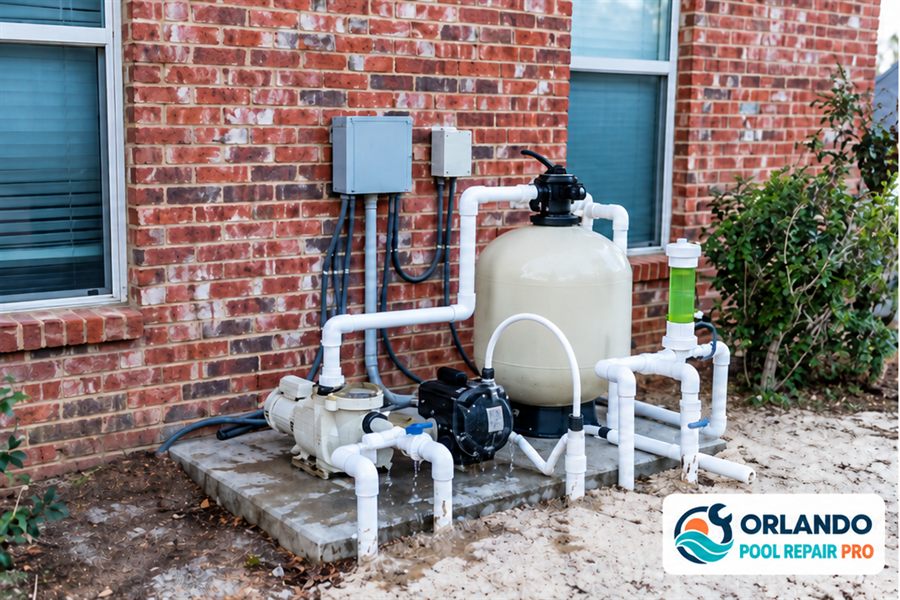
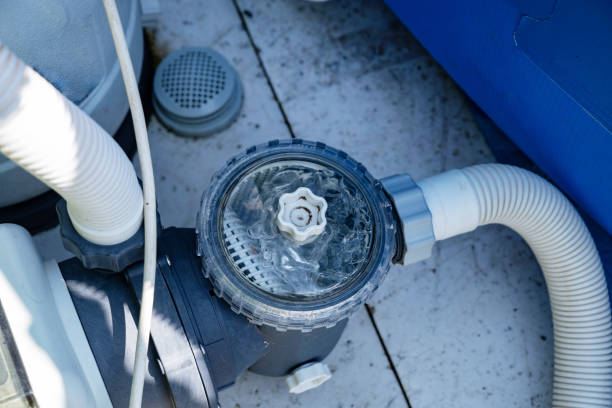
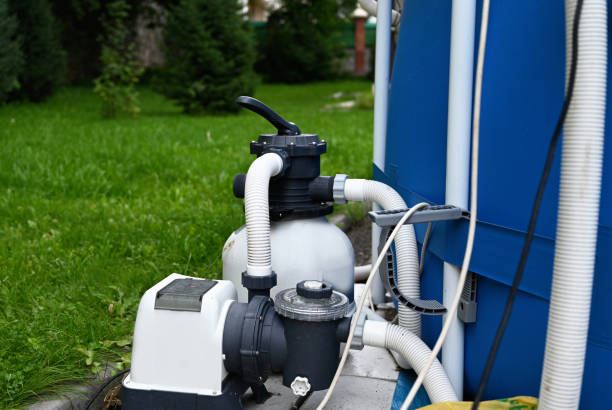
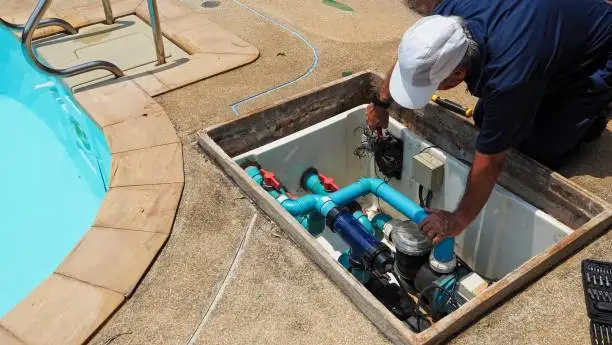
A Mount Dora pump that will not hold prime needs a different investigation from a motor that starts with bearing noise or repeatedly shuts down. The assessment may consider suction-side leaks, lid seals, mechanical shaft seals, baskets, impellers and the motor or drive. Explain what happens when the system normally starts and whether the issue follows maintenance or a setting change. A photograph of a wet connection is useful, but do not open an energized enclosure or loosen a pressurized component to obtain more detail.
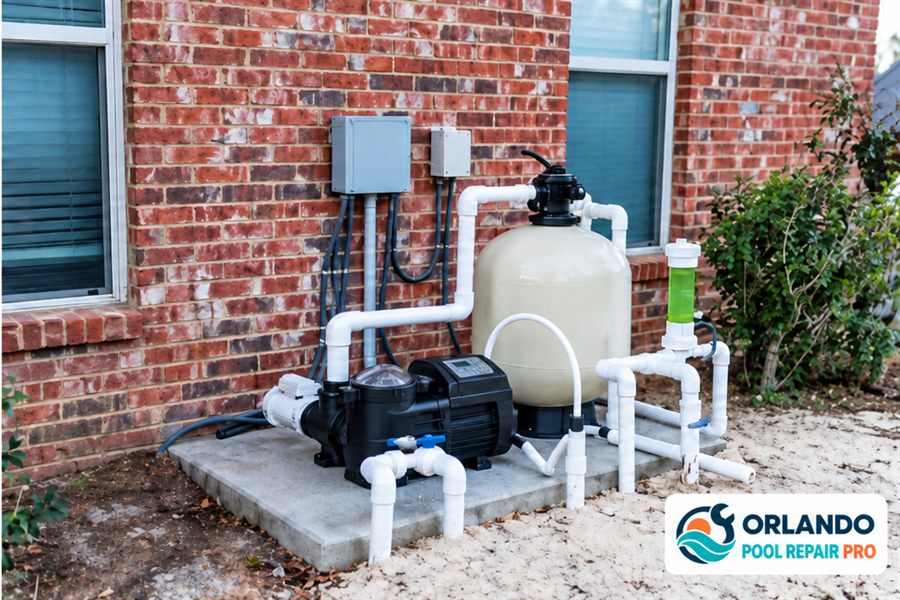
Motor size and speed capability should follow the system requirements rather than an assumed local preference. Modern residential product examples include variable-speed options at different total-horsepower ratings, and no verified Mount Dora motor-market-share figure is asserted here. The appropriate operating point depends on the pool’s required flow, plumbing resistance and connected filter or heater. If the motor can be replaced separately, its electrical and mechanical match matters too. We compare the actual fault and parts availability with a larger equipment replacement so the proposal explains why each item is included instead of treating the biggest available pump as the safest default.
Make resurfacing a defined project with a clear handoff
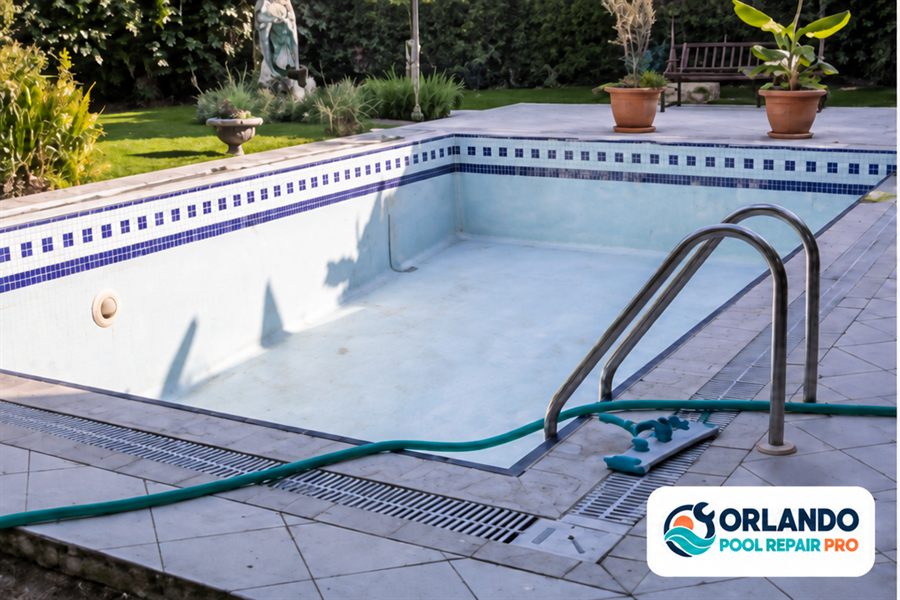
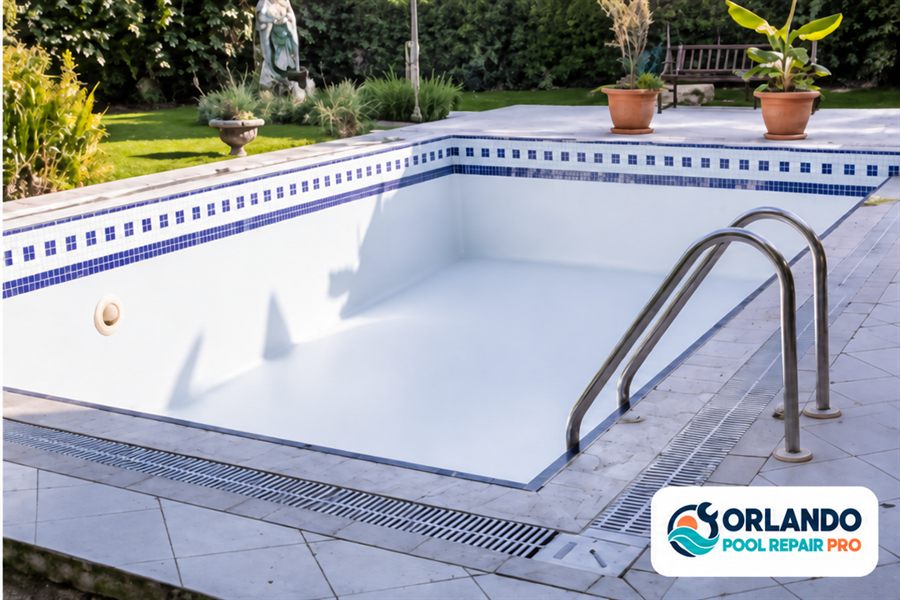
The finish on a Mount Dora pool may be much newer than the house, or its last resurfacing date may be unknown. Identify the material before comparing its condition with a planning lifespan. PebbleTec describes shorter expected service for plain plaster than quartz, with properly installed and maintained pebble capable of lasting more than 20 years. Such comparisons are not guarantees or a reason to replace an intact surface solely because a calendar threshold has passed. Roughness, loose material, persistent staining and unrelated leakage need their own assessment.
For a finish proposal, separate preparation and application from tile, coping, plumbing or structural repairs that may be needed. Agree on controlled draining and filling and who performs the startup brushing and water-balance checks. Confirm any address-specific review through the applicable authority before work that requires it, rather than assuming all pool repairs use one process. Before a routine visit, arrange access, identify the decision maker and send the equipment labels and symptoms. After the work, keep the findings, invoice and care instructions together; they are useful both for ongoing maintenance and for any separate conversation with the actual utility provider.
When water loss and a higher bill happen together at a Mount Dora property, keep two sets of questions clear. The repair visit needs to establish where water is escaping and what will correct it. The utility decides whether its own billing policy applies. Write down refill dates and keep the findings and repair invoice together, without assuming that completing a repair guarantees a credit. If you also want a new finish, ask how that work relates to the confirmed leak. A worn interior and a leaking fitting may require separate jobs. Your proposal should name the problem being addressed by each item and explain any further testing. For surface work, agree on filling and startup duties before the pool is taken out of use.
Sources for local pool planning